HAVE ANY QUESTIONS? CLICK HERE

Blogs
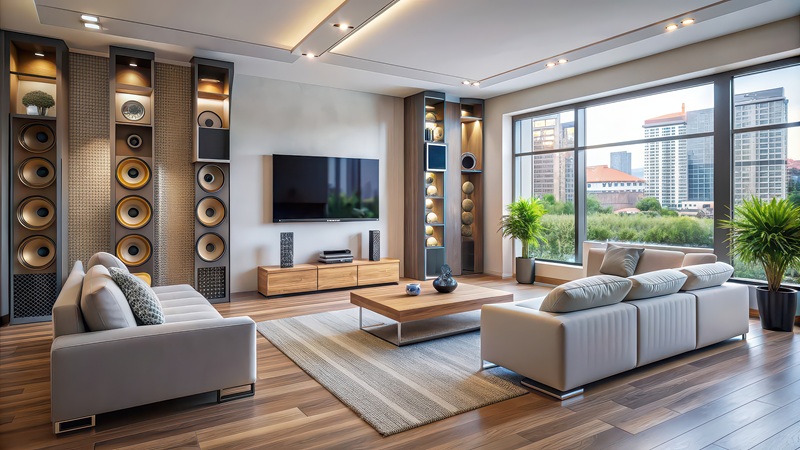
The Rising Demand for Multi-Room Audio Solutions in Modern Homes
- Super User

After spending years working inside homes across southeast Louisiana, one pattern has become impossible to ignore … sound has officially escaped the living room. Music, podcasts, news, and background audio are no longer expected to stay politely confined to one space. Homeowners want audio that follows them, without the awkward moment where one room goes silent and another suddenly feels unfinished.
From my seat at D&D Audio and Video Solutions in Slidell, the rise of multi-room audio feels less like a trend and more like a natural correction. Homes changed. Lifestyles changed. Audio expectations simply caught up.
Open floor plans are a big part of the story. When kitchens flow into living areas and hallways connect everything, a single speaker in one corner does not cut it anymore. Sound stops abruptly, volume gets cranked too high in one room, and suddenly nobody is happy. Multi-room audio solves that by creating continuity. Audio moves smoothly through spaces instead of fighting the layout.
Another driver is how homes are actually used now. People move constantly throughout the day. Cooking, working, cleaning, relaxing, stepping outside, then back in again. Audio becomes part of the background rhythm. Restarting music every time someone changes rooms gets old fast. A system that stays in sync feels natural once experienced.
Technology has helped make this practical instead of complicated. Multi-room audio systems today are more stable, more flexible, and easier to manage than earlier generations. Control happens centrally, zones behave predictably, and adjustments do not require an engineering degree. When something works smoothly, people start expecting it everywhere.
Customization is another reason demand keeps growing. Different rooms serve different purposes. Bedrooms need softer levels. Common areas handle fuller sound. Outdoor spaces introduce durability considerations and different tuning needs. Multi-room audio allows each area to behave appropriately without breaking the overall experience.
Infrastructure planning plays a huge role in how well these systems perform. In new construction, building audio support into the structure early creates cleaner results and fewer compromises. In existing homes, retrofitting requires creativity and respect for architecture. The goal is performance without turning a house into a science experiment.
Scalability matters too. Homeowners rarely want everything installed at once. Multi-room audio systems can grow gradually. A few rooms now, more later. Expansion without replacement makes planning easier and keeps systems relevant as homes evolve.
Acoustics deserve attention as well. Every room behaves differently. Hard surfaces reflect sound. Soft materials absorb it. Ceiling height, room shape, and furnishings all affect how audio travels. Thoughtful placement and tuning prevent the common issues of uneven volume or audio overlap. Nobody wants to hear the kitchen competing with the hallway.
Energy use is another quiet benefit. Centralized control allows audio zones to be active only when needed. Scheduled operation avoids unnecessary use. Everything shuts down cleanly when the house does. Efficiency becomes a byproduct of good design rather than an afterthought.
Multi-room audio has also expanded beyond entertainment. Background sound supports work-from-home routines. Spoken content fills gaps during daily tasks. Audio cues assist with schedules and transitions. These systems quietly integrate into everyday life without demanding attention.
Reliability remains a key reason homeowners gravitate toward integrated systems. A unified approach reduces compatibility issues and simplifies maintenance. Fewer moving parts, fewer surprises. Consistency across the system makes troubleshooting easier when adjustments are needed.
Regional factors influence design decisions too. Homes in this area often blend indoor and outdoor living. Audio needs to cross those boundaries without missing a beat. Weather, humidity, and usage patterns all shape component selection and system layout. Local conditions matter more than spec sheets alone.
The humor in all of this is how quickly expectations reset. Once someone experiences audio that works everywhere, going back feels strange. Silence in one room becomes noticeable. Uneven volume becomes annoying. The system fades into the background, which is exactly the point.
At D&D Audio and Video Solutions, projects increasingly start with conversations about how people move through their homes rather than what equipment they want. Sound follows behavior, not the other way around. When audio aligns with daily routines, it stops being a feature and starts being part of the environment.
The rising demand for multi-room audio reflects a simple idea. Homes should work the way people live. Sound should not feel stitched together. It should feel continuous, intentional, and easy.
That shift is not about novelty. It is about comfort. And once comfort becomes the standard, there is no real going back … even if nobody ever says it out loud.